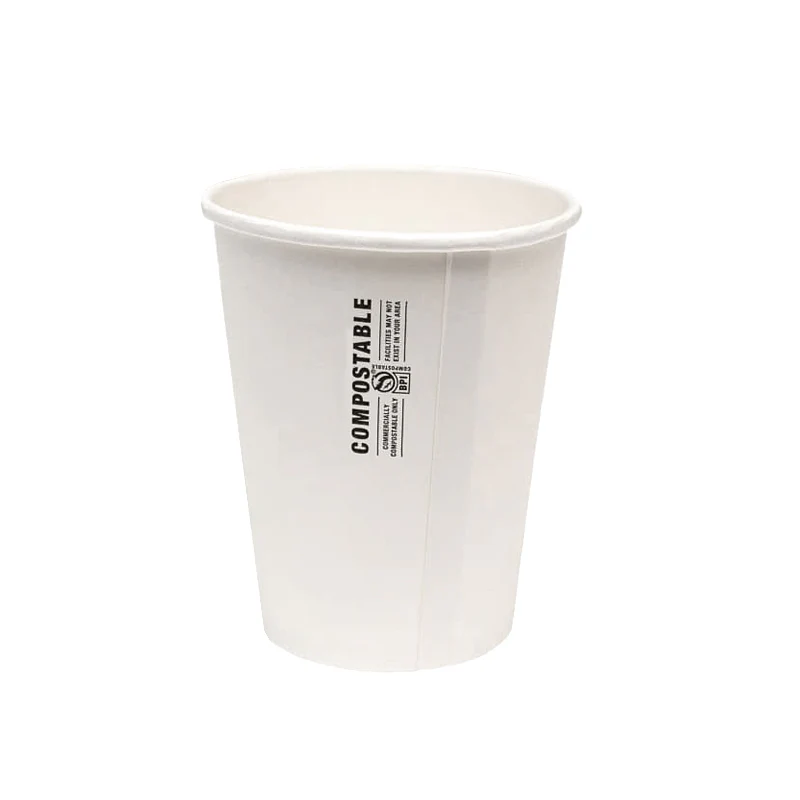

Every morning, millions of people worldwide reach for their favorite coffee cup – whether it’s a disposable takeaway cup from a café or a reusable mug from home. But have you ever stopped to think about the environmental impact of coffee cups?
The truth is sobering: your coffee cup choice creates a ripple effect that extends far beyond your first sip, touching everything from forest ecosystems to ocean health. Today, let’s uncover the hidden environmental costs of coffee cups and explore how small, conscious changes in our daily habits can lead to massive positive impacts.
The Staggering Scale Of Coffee Cup Consumption
Before diving into the environmental breakdown, let’s look at the scale of this issue.
- In the United States alone, over 50 billion disposable coffee cups are used every year.
- That equals roughly 136 million cups per day – enough to circle the Earth if placed end to end.
- Globally, the number skyrockets even further, making this one of the most overlooked contributors to waste and pollution.
With coffee being the world’s second-most traded commodity after oil, the way we consume and dispose of our coffee cups has a footprint that stretches across the entire planet.
Traditional Coffee Cups: The Hidden Environmental Breakdown
Many people assume disposable coffee cups are simply made of paper, but that’s far from reality. Most cups contain a thin plastic lining (polyethylene) that makes them waterproof – but nearly impossible to recycle through normal paper recycling streams.
Manufacturing Phase
- Water use: It takes about 0.5 liters of water to produce a single paper cup.
- Energy consumption: Around 0.11 kWh of energy per cup.
- Raw materials: Each cup requires about 33 grams of wood (roughly 0.013 trees).
- Chemical processing: Bleaching and plastic coatings release toxic chemicals into waterways.
The result? Every disposable coffee cup manufactured produces about 0.11 kg of CO2 equivalent emissions. Multiply that by billions, and you get millions of tons of greenhouse gases annually.
Transportation Impact
The story doesn’t end at manufacturing. Once made, cups are transported across countries and continents, adding another layer of emissions.
- Fuel consumption: Long-distance trucking and shipping.
- Packaging waste: Plastic wrapping and cardboard used for transport.
- Extra emissions: Around 0.02 kg of CO2 per cup from transportation alone.
The Usage Phase: Brief Life, Lasting Impact
Here’s the striking reality: the average disposable coffee cup is used for just 13 minutes before being thrown away. That’s 13 minutes of use for a product that took water, trees, energy, and chemicals to produce – only to leave behind lasting waste.
End-Of-Life: The Recycling Myth
Many well-meaning coffee drinkers toss cups into recycling bins, but here’s the truth:
- Less than 1% of disposable coffee cups are actually recycled.
- 99% end up in landfills or as litter.
- In landfills, they can take 20–30 years to break down, releasing microplastics into soil and waterways.
In short: the recycling system fails coffee cups, making them one of the most persistent single-use waste items on the planet.
Compostable Coffee Cups: Are They Really Better?
In response, compostable coffee cups have gained popularity. These are usually made from renewable resources like:
- PLA (Polylactic Acid): Derived from corn starch or sugarcane.
- Bagasse: Sugarcane fiber waste.
- Bamboo fiber: A fast-growing, sustainable plant.
Environmental Benefits
- Made from renewable resources rather than fossil fuels.
- Manufacturing can produce 30–50% fewer emissions than traditional cups.
- Require less chemical processing compared to plastic-coated cups.
The Composting Reality Check
The problem? Compostable cups require industrial composting facilities to break down properly.
- Only 185 industrial composting facilities exist in the U.S.
- Many cities don’t have access to commercial composting.
- If compostable cups end up in landfills, they decompose as slowly as regular cups.
However, study has show that aqueous-coated compostable coffee cups were left out of the conversation. According to manufacturers claims, aqueous-coated coffee cups are home compostable.
Decomposition timeline:
- Industrial composting: 90–180 days.
- Home composting: 2–5 years (if at all).
So while compostable cups are a step forward, without the right infrastructure, not all solve the problem completely.
The Reusable Cup Revolution
When it comes to reducing the environmental impact of coffee cups, reusable mugs and tumblers are the clear winner – provided they’re used consistently.
The Break-Even Point
Reusable cups do require more resources to make, but they pay off quickly.
- A ceramic or stainless steel cup needs 20–100 uses to offset its higher manufacturing footprint.
- For daily coffee drinkers, that’s just 1–3 months of use to “break even.”
Long-Term Environmental Benefits
- One reusable cup can replace thousands of disposables over its lifetime.
- No need for constant production, packaging, and transport.
- High-quality cups can last 10+ years with proper care.
Types Of Reusable Cups
- Stainless steel: Durable, recyclable, keeps drinks hot/cold, lasts 20+ years.
- Ceramic: Natural material, best taste, lasts 10–15 years (fragile).
- BPA-free plastic: Lightweight and affordable, but less eco-friendly.
Reusable mugs and tumblers maybe the best choice but not for coffee businesses where customers comes in to grab and Go. That is why investing the a quality compostable cup is recommended for businesses.
Beyond The Cup: Corporate And Consumer Roles
Corporate Responsibility
Coffee shops and businesses have a huge role to play. Many are now:
- Offering discounts for customers who bring reusable cups.
- Launching cup-lending programs for people who forget theirs.
- Switching to compostable cups where composting infrastructure exists.
- Investing in waste sorting systems to prevent contamination.
Consumer Education
Many people simply don’t know the environmental impact of coffee cups. Awareness campaigns and clear in-store signage can help drive better decisions.
When people realize their cup choice could prevent hundreds of cups from entering landfills every year, the motivation to change becomes much stronger.
Making The Switch: Practical Steps
For Daily Coffee Drinkers
- Invest in a reusable cup you enjoy using.
- Keep a backup in your car, office, or bag.
- Support shops that uses sustainable coffee cups
- Make it a habit – convenience is key.
For Occasional Coffee Drinkers
- Choose compostable options when composting facilities are available.
- Better yet, sit down and enjoy your coffee in a ceramic mug.
- Spread the word – share what you know about coffee cup waste.
Your Next Step Toward A Sustainable Coffee Habit
Understanding the environmental impact of coffee cups is just the beginning. Real change happens when knowledge turns into action. Every time you choose a reusable cup or high-quality coated compostable cup, you’re not just reducing waste – you’re casting a vote for a healthier planet.
Your morning coffee ritual doesn’t have to come at the expense of the environment. With reusable and compostable options, we can enjoy our favorite drinks while protecting the Earth.
Ready to make the switch? Explore our curated collection of eco-friendly compostable coffee cups – from Aqueous-coated to PLA-coated. Every purchase helps reduce disposable waste and supports a more sustainable future.